Just How Synthetic Roof Installers Prepare Residences for Year-Round Exposure
A roofing does even more than cap a home. It manages water, resists wind uplift, buffers temperature swings, and secures every layer under it from sluggish, pricey damage. That work gets harder in environments where a home sees blazing summertime sunlight, freeze-thaw cycles, sleet, hefty rainfall, and wind in the exact same fiscal year. In those problems, synthetic roofing system installers do not just attach shingles and leave. They prepare the whole home, from deck to flashing to ventilation path, so the roofing system can handle year-round direct exposure without ending up being https://chancetlvs591.talesignal.com/posts/building-artificial-roofing-vs-traditional-materials-in-the-midwest the powerlessness of the structure envelope.
That preparation matters even more with synthetic roofing systems since the product is often chosen for efficiency as much as look. Lots of house owners are attracted to architectural synthetic roof covering due to the fact that it can imitate cedar shake, slate, or tile while staying clear of a few of the maintenance and weight issues of natural materials. Others desire premium synthetic roof covering for a customized build or artificial roof for high-end homes where visual allure is non-negotiable. In either situation, the ended up appearance only does as promised if the setup job below is thoughtful and exact.
I have seen excellent materials stop working early due to the fact that the crew treated the task like a common tear-off and reroof. I have actually likewise seen domestic artificial roofing outperform expectations for years due to the fact that the installer paid attention to the information nobody notifications from the street. The distinction normally appears long prior to the first tile goes on.
Preparation begins with the house, not the product
A skilled artificial roofer begins by taking a look at the home as a system. The roof covering is just one layer. Under it are the deck, underlayment, blinking changes, intake and exhaust ventilation, insulation conditions in the attic, and the drainage path that carries water away from the structure. If any of those pieces are weak, a new roof covering can inherit old problems.
That initially assessment is generally extra revealing than house owners expect. A home might have small deck rot around a smokeshaft chase, old step flashing hidden under house siding, soft spots near a valley, or indicators of condensation in the attic room that have absolutely nothing to do with the shingles presently on the roof covering. A good synthetic roofing company does not paper over those issues. It documents them, explains what needs adjustment, and constructs the synthetic roof covering installation around the facts of the house.
This is especially crucial with synthetic roof made to reproduce slate or tremble profiles. Those items frequently have particular fastening, spacing, and incline demands. They can be flexible somehow, however they are not magic. If the substratum is uneven, if air flow is bad, or if dampness is already entraped in the setting up, premium materials can not solve those problems on their own.
Why year-round exposure alters the installment approach
A roofing system in a moderate environment can escape even more shortcuts than a roofing in the top Midwest. In position with wide seasonal swings, such as synthetic roof covering Chicago jobs or homes requiring a synthetic roofer Chicagoland, installment options have to represent activity, ice, dampness, and sunlight direct exposure all at once.
Winter subjects weak points around eaves, valleys, and infiltrations. Water backs up behind ice, discovers a staple hole or flashing void, and works its way inside. Spring discloses whether water drainage was prepared appropriately. Summer stresses the roofing with UV direct exposure and thermal expansion. Autumn tests whether fallen leaves, debris, and wind-driven rain will bewilder the prone intersections on the roof covering plane.
Synthetic roofing shingles are usually picked since they withstand cracking, splitting, or the kind of weathering associated with some standard materials. That is a genuine benefit, but it does not transform the installer's responsibility to prepare for seasonal stress and anxiety. The greatest roofing system covering in the world will still leakage if a sidewall blinking was tucked severely or if an exhaust air vent was mounted out of plane.
The tear-off informs the real story
On replacement jobs, particularly artificial roofing replacement, the most valuable information usually shows up just after the old roofing system comes off. Spots hidden underneath underlayment, nail exhaustion in the deck, failed flashing information, and years of jumble repair work come to be noticeable all at once. Experienced artificial roof installers recognize that this is the moment to reduce and check, not rush to dry-in and maintain the schedule moving.
I remember a substitute job on a large home where the owner was concentrated virtually totally on appearances. They desired a synthetic product that appeared like hand-split cedar, with shadow lines deep enough to fit the architecture. Once the tear-off begun, the staff found repeated moisture intrusion around 2 dormers and a smokeshaft cricket that had been mounted too superficial to lose water appropriately. From the ground, none of that was noticeable. Had the group merely mounted brand-new premium synthetic roof over the existing geometry, the beautiful brand-new roofing system would certainly have inherited the very same leakage pattern by the next tornado season.
That is one factor reliable professionals build backup language right into proposals. Not because they intend to upsell every task, yet because covert problems are common and the ideal repair sometimes only comes to be clear once the old setting up is open.
Deck integrity is non-negotiable
Synthetic roof products rely on a secure nailing surface. If the roofing deck flexes, swells, delaminates, or consists of areas deteriorated by rot, securing patterns can fall short and the roofing system can shed the crisp alignment that makes these materials attractive in the first place.
Preparation at this phase generally consists of replacing endangered sheathing, refastening loosened areas, and dealing with uneven changes where old repair work left ridges or dips. On older homes, installers might uncover mixed materials on the same slope, such as initial board decking next to newer sheet items. That is not immediately an issue, however it often calls for judgment. Bolt holding power, underlayment actions, and completed look can all change when the substrate differs across a plane.
For architectural synthetic roof covering that copies slate, minor deck irregularities can telegram with the finished operate in manner ins which are tougher to overlook than on less complex asphalt roofing systems. The installer needs to believe past watertightness and account for sightlines, direct exposure uniformity, and the visual rhythm of the roof.
Underlayment does more job than a lot of house owners realize
Underlayment is typically discussed like a box to check, but on a well-prepared roofing system it serves as a vital second protection. When a home encounters year-round direct exposure, underlayment approach need to show environment, roof covering geometry, and the supplier's requirements for the selected artificial roof systems.
At the eaves, at risk valleys, and low-slope shifts, self-adhered ice and water defense is commonly used to defend against back-up and wind-driven dampness. Across the area of the roof, synthetic underlayment may be selected for tear resistance, walkability, and far better weather exposure during installation. The precise combination relies on incline, intricacy, and neighborhood conditions.
A house owner contrasting bids might not see the distinction between a professional who intends the underlayment in layers and zones versus one that treats the whole roofing system with a one-size-fits-all method. Yet that difference commonly appears years later on, when a flashing side gets stressed out in wintertime or a rainfall occasion pushes water where it generally would not go.
Flashing is where craftsmanship reveals up
If there is one area that divides a careful artificial professional roofer from a rushed one, it is blinking. Chimneys, skylights, pipes vents, sidewalls, dead valleys, roof-to-wall intersections, and dormer transitions are the areas where water testing materializes. A roofing covering can be superior, yet if flashing information are weak, the installation is prone from day one.
Good flashing job is seldom significant. It is measured, split, and typically hidden. Action blinking should incorporate correctly with the wall surface setting up. Counterflashing should shed water rather than trap it. Valleys must be detailed according to both product demands and runoff quantity. Pipeline boots must match the account and anticipated activity of the roof surface. Metal sides ought to be mounted with the water drainage course in mind, not simply appearance.
In markets with winter climate, such as artificial roof covering Naperville IL and wider Chicagoland neighborhoods, flashing details are entitled to extra care since freeze-thaw cycles manipulate small blunders. A pinched underlayment joint or severely washed metal edge might endure a few dry months, after that stop working during an icy rainfall when water sticks around where it should not.
Ventilation belongs to roofing preparation, not a different upgrade
Homeowners often think about attic air flow as an energy topic, but also for a roofing system installer it is likewise a sturdiness topic. An unbalanced or blocked ventilation system can contribute to warmth accumulation, trapped moisture, ice dam conditions, and early aging of roof components.
When artificial roof covering installers prepare a home for complete seasonal exposure, they check out intake and exhaust together. Soffit vents obstructed by insulation, ridge vents set up over inadequate intake, or old box vents left in place without a coherent air flow strategy can threaten a brand-new roof covering setting up. The objective is not to chase a generic formula. It is to develop a workable air path that matches the house.
That is particularly important on bigger personalized homes where rooflines are cut up by dormers, hips, valleys, and ornamental features. Artificial roof for deluxe homes usually entails complicated geometry, and difficult geometry tends to develop dead air pockets and challenging wetness patterns in the attic room. A specialist with real experience accounts for that prior to the noticeable roof goes on.
Seasonal direct exposure implies intending the edges carefully
The roof side is where several weather occasions come to be structural issues. Wind assaults the border initially. Ice typically creates at the eaves. Overflow from stopped up gutters backs water under the first programs. Sun direct exposure can be harsher at exposed rake sides, relying on orientation.
This is why installers place a lot initiative into drip edge positioning, starter programs, overhang dimensions, and rain gutter placement. The details are little, yet they figure out whether water cleanly departures the roofing system or curls back into the assembly. On artificial roof installation jobs, edge outlining must additionally value the profile and fastening pattern of the roof material so the initial and last courses stay secure and visually consistent.
A remarkably typical failure point is the change in between new roof covering and older rain gutter systems. If rain gutters are undersized, poorly pitched, or put also firmly under the roof covering side, also a top quality new roof can struggle during difficult rain. A complete installer flags those concerns early as opposed to assuming another person will certainly manage them.
What experienced teams commonly inspect before installation
Before the roofing covering is set up, a capable staff has typically examined a number of problems that straight affect long-term performance:
- Deck problem, consisting of rot, delamination, loose panels, and irregular sections
- Drainage courses at valleys, eaves, crickets, and roof-to-wall shifts
- Ventilation equilibrium in between consumption and exhaust
- Condition and compatibility of flashing, penetrations, and edge steel
- Manufacturer needs for incline, fastening, format, and accessory components
That checklist sounds standard, yet the value remains in exactly how it is interpreted. A much less skilled crew may check out those exact same five areas and miss what issues. A seasoned artificial roof covering company can read the evidence left by the previous roofing and readjust the setup strategy before hidden weaknesses become call-backs.
Layout matters much more on synthetic profiles than several expect
One of the marketing factors of artificial roofs is look. Homeowners want the deepness of cedar shake, the measurement of slate, or the refined look of ceramic tile without a few of the burdens those all-natural items bring. To provide that result, installers need to pay attention to layout from the very first program onward.
That consists of direct exposure spacing, balance out patterns, blending of roof shingles widths where appropriate, straightness at long eaves, and alignment throughout valleys and dormers. Small format drift may be barely noticeable on simple roof, but on architectural artificial roof it can influence the whole personality of the completed home.
I have actually seen work where the product itself was exceptional, yet the roofing looked unsettled due to the fact that the team did not manage rushing and visual balance. On larger homes, that trouble comes to be evident fast. Great synthetic roof installers understand that premium artificial roof is evaluated both up close and from fifty lawns away.
Fastening patterns and maker information are not optional
Every artificial line of product has its own guidelines on nails, exposure, overlap, accessory use, and appropriate inclines. Installers who leap between roof covering kinds without appreciating those specifics can develop failings that may not show up immediately.
Some items are much more stiff, some even more flexible. Some call for precise fastener positioning areas to resist wind uplift. Some count on accessory beginners, hips, or ridges developed for that system. Preparation for year-round exposure includes reviewing the item requirements carefully and matching them to actual site conditions.
This is an area where house owners sometimes think all roofers are interchangeable. They are not. A service provider who does excellent asphalt work might still need committed experience to take care of synthetic roof covering roof shingles well. When interviewing a synthetic roofing contractor, it is worth asking not simply whether they set up artificial roofs, however which item family members they understand and exactly how typically they work with them.
The home itself needs defense during the process
Roof preparation additionally consists of safeguarding the house and residential property while the job is underway. Tear-off debris, subjected decking, unexpected climate changes, and product staging can all create danger if the site is not taken care of well.
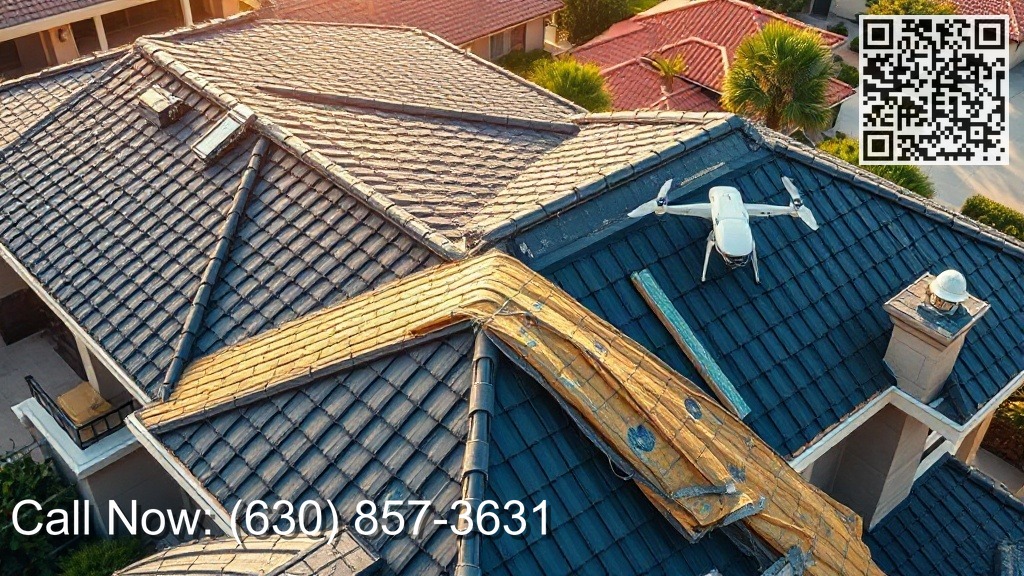
A cautious staff usually takes a couple of useful steps that house owners appreciate when the task is underway:
- Shields landscaping and hardscape near eaves and discard areas
- Stages products to prevent overloading vulnerable areas or obstructing accessibility
- Uses weather surveillance and dry-in sequencing to lower direct exposure during tear-off
- Protects attic room components when dirt and particles are likely
- Runs magnetic cleaning and last information cleaning beyond the prompt perimeter
Those routines do not directly transform the roofing's wind score or water resistance, however they tell you a lot about the high quality of the procedure. Specialists that are disciplined concerning website defense are often disciplined regarding covert roof details too.
Local climate and architecture constantly shape the final approach
A wide post can clarify concepts, but actual roofing system preparation is constantly neighborhood. A steep-roofed rock home in the suburban areas has various demands than a low-slope section over a back addition in an older neighborhood. A customized house looking for artificial roofing Chicago services may need snow and ice planning that differs from a milder local market. A property owner purchasing artificial roofing Naperville IL could be stabilizing looks for a high-visibility area with practical concerns like tree particles, seasonal storms, and a complex roofline.
This is why the best installers stay clear of canned referrals. They ask exactly how the house has actually done via previous winters months. They look at attic problems. They examine where ice developed, where seamless gutters overflowed, and where previous repair work took place. They likewise pay attention to direct exposure, because a south-facing slope cooking in summer season and a shaded north slope holding wetness in springtime age differently.
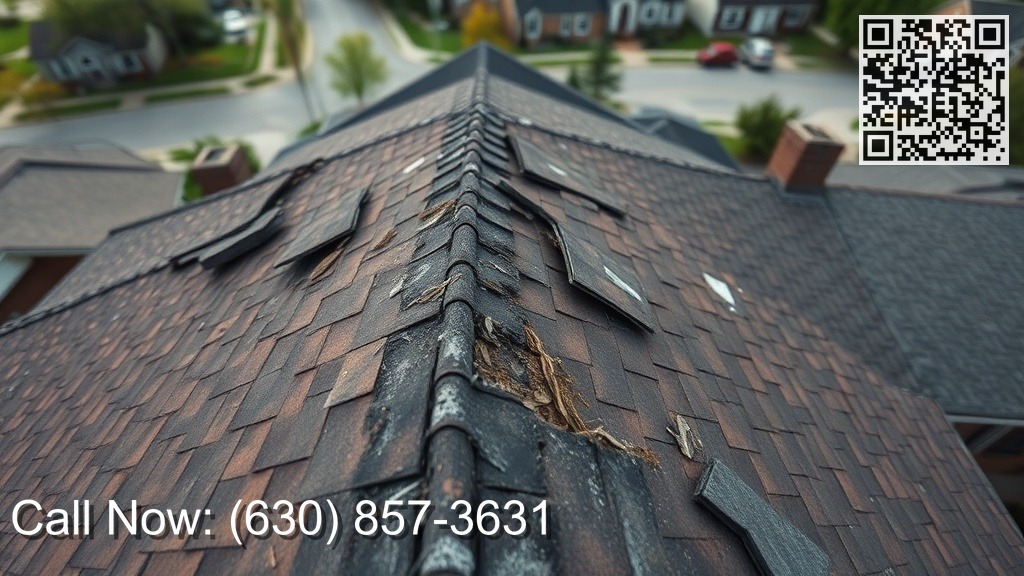
Synthetic roofing replacement is often an opportunity to repair old building habits
One of the most valuable parts of an artificial roofing substitute is the possibility to correct details that may have been wrong for many years. That can include getting rid of way too many competing vents, reframing a smokeshaft cricket, improving attic air flow, changing inappropriate flashing at wall crossways, or updating prone valleys.
Homeowners do not always recognize just how much of their previous roof's background is written right into the timber and metal listed below the tiles. Dark discoloration, corrosion tracks, pressed insulation, and patchwork sealer all tell a story. The service provider's job is to check out that story and damage the failure pattern before installing the brand-new system.
Done right, that is what makes artificial roofing systems so reliable in year-round conditions. The material itself adds toughness, but the efficiency comes from the entire assembly being remedied, split, and finished with intent.
Choosing the ideal installer issues as long as selecting the material
There is no shortage of marketing around premium roof items. The more difficult part is locating a group that treats installation as craft rather than commodity. The right synthetic roof firm will talk clearly about prep work, not simply color alternatives and suppress charm. It will explain what takes place if harmed outdoor decking is located, just how underlayment is defined, what flashing details are being replaced, and whether ventilation is being assessed as part of the project.
That level of transparency is especially crucial for house owners investing in artificial roofing for high-end homes, where the stakes are greater and rooflines are normally much more intricate. A huge or architecturally enthusiastic home amplifies every decision, from tile layout to steel detailing to drainage preparation. It is not nearly enough for the roofing to look finished. It has to stay completed through storms, warm, snow, and the tiny stress and anxieties that repeat season after season.
When artificial roofing system installers prepare homes correctly, they are not simply setting up a brand-new surface. They are developing resilience right into the top of your house. They are ensuring the roofing system can shed water in April, resist sunlight in July, stand up to wind in November, and take care of ice in January. That kind of prep work is seldom showy, yet it is exactly what makes an artificial roof worth the investment.
When Quality Matters
Salvo Architectural Roofing Contractors
566 West 5th Ave Naperville, IL 60563
(630) 857-3631
 Ask ChatGPT
 Ask Grok
 Ask Perplexity
 Ask Claude
 Ask Google AI
 Ask You