Artificial Roof Designed for Midwest Freeze-Thaw Cycles
Anyone who has spent a few winters months looking after homes in the Midwest finds out the very same lesson fast: roof coverings fail in tiny ways before they fall short in dramatic ones. A split that looked safe in October can open up by February. A flashing information that shed water all springtime can develop into an ice trap after one hefty snow and a couple of warm mid-days. In position like Chicago and the western suburban areas, where roofings might see sleet, wandering snow, quick thaws, and subzero evenings within the exact same week, material option matters far beyond visual appeal.
That is where synthetic roof have actually earned major attention. Not since they assure magic, and not because every product marketed as artificial carries out the exact same, but since the better systems are crafted for motion, moisture resistance, influence tolerance, and long-lasting dimensional stability. In an environment defined by freeze-thaw biking, those https://marioizme737.nexorafield.com/posts/why-synthetic-roof-installers-recommend-weather-resistant-roof-products characteristics are not deluxes. They are basic survival characteristics.
For house owners contrasting premium exterior upgrades, especially those planning a lengthy ownership horizon, artificial roofs often being in a fascinating middle ground. They can deliver the aesthetic deepness of slate or cedar, usually with less weight and even more forgiving performance in severe weather condition. For builders, remodelers, and any kind of artificial roofing contractor working in the Midwest, the real concern is not whether artificial materials can function here. It is which systems are constructed well enough, and set up very carefully sufficient, to take care of duplicated thermal anxiety year after year.
Why freeze-thaw cycles are so tough on a roof
A Midwest roofing system does not just splash, after that completely dry. It gets wet, ices up, increases, defrosts, drains pipes, refreezes, and repeats that pattern over and over. Water works its way right into little voids around fasteners, side laps, penetrations, and flashing changes. When temperature levels decrease, that caught dampness expands. Even an extremely small amount of development can broaden small openings, loosen up sides, or location tension on weak components.
The issue grows when snow cover lingers. A dark roof surface can warm enough under wintertime sunlight to thaw the lower layer of snow while the eaves and rain gutters remain cold. Water runs downslope, reaches the colder side, and freezes once more. That is the timeless configuration for ice dams. As soon as that dam types, meltwater can support under the roof covering. If the system does not have an appropriately mounted underlayment or if the details at eaves and valleys were dealt with casually, indoor leakages frequently follow.
Traditional roof covering products each have their own vulnerabilities in this environment. Natural cedar can soak up moisture and climate unevenly. Some concrete or clay products manage cool well but bring weight and setup constraints. All-natural slate is stunning and long lasting, yet it is breakable and pricey to fix if private items crack from impact or foot website traffic. Asphalt shingles stay typical, though lower-end products may lose granules and flexibility earlier under seasonal stress.
Architectural artificial roof went into that conversation by offering a various balance of buildings. The much better items are developed to stand up to moisture absorption, remain steady under temperature swings, and deal with impact without the very same brittleness discovered in some all-natural products. That does not mean every artificial roof covering is equal. It means the category contains strong options when matched to the environment and set up with discipline.
What makes an artificial roof suitable for Midwest weather
People usually focus on the noticeable shingle or tile, yet a roof covering is successful as a system. The field product issues, naturally, yet underlayment option, ventilation strategy, fastening pattern, flashing design, and edge detailing frequently establish whether the roofing system in fact does through fifteen or twenty freeze-thaw seasons.
The finest synthetic roofing systems for the Midwest usually share a couple of sensible qualities. They resist dampness uptake. They do not become exceedingly brittle in winter. They endure hail far better than many fragile options. They additionally maintain their account and securing integrity under high winds, which matter as much in Chicagoland as snow lots does. Wintertime storms right here hardly ever show up as a tidy, vertical occasion. Wind-driven snow locates weaknesses that a tranquil rainfall never would.
Material structure plays a large duty. Lots of premium artificial roof items are made from crafted polymers, recycled substances, or exclusive composite blends. Some are molded to mimic cedar shake, all-natural slate, or hand-split appearances with unusual realistic look. That aesthetic charm is one reason synthetic roof for deluxe homes has ended up being extra common in premium neighborhoods. The functional reason is that the ideal product can use reduced upkeep and less structural burden than the all-natural product it imitates.
Weight is not a minor problem. A lighter roofing covering can decrease the need for structural support during a synthetic roofing system replacement, especially on older homes. In historical neighborhoods around Chicago, that versatility can maintain style intent without compeling significant framing job. A heavy roof can still be the best solution in many cases, however several residential synthetic roof products provide owners a lot more alternatives throughout remodel planning.
The Midwest details that separate a suitable roofing system from a sturdy one
I have seen appealing roofings underperform because the system was specified by sales brochure and mounted by routine. Freeze-thaw environments reveal shortcuts promptly. A contractor can make nearly any type of product look excellent on day one. Year 5 informs the real story.
On artificial roofing system installation jobs in northern Illinois, the most essential discussions frequently happen prior to the very first package is opened. Roof covering pitch, drainage patterns, attic room insulation, ventilation pathways, rain gutter design, chimney problems, and the quantity of tree cover all impact just how the roofing will certainly behave in wintertime. A high roofing system might drop snow much more quickly, but it may likewise discard large sheets onto valleys, reduced roofing areas, and entrances. A low-slope change area that looks minor on plan drawings can become the weak point of the whole setting up if the incorrect underlayment is used.
Ventilation is entitled to special interest. People tend to decrease wintertime roof efficiency to a simple product option, but several cold-weather leakage patterns start inside the house. Warm, humid indoor air leaving into the attic can increase roofing system deck temperatures, drive irregular snowmelt, and intensify ice dam development. Even premium synthetic roof can not compensate for an attic room that is badly protected or inadequately vented. The roof covering is only the leading layer of a building scientific research problem.
Flashing job is an additional separating line. Around chimneys, dormers, skylights, and wall surface crossways, movement and water concentration integrated. Artificial roof roof shingles may remain undamaged for decades, but if the flashing sequence was improvisated, the setting up continues to be vulnerable. In Chicago-area job, where winter months wind can push snow and meltwater laterally, the high quality of steel information often matters as high as the area item itself.
Why artificial roofings interest Midwest homeowners
The allure is not just sturdiness. It is predictability. Home owners need to know what they are getting, what upkeep will certainly appear like, and whether the look they spend for today will still read as refined in ten or fifteen years.
Premium artificial roof covering usually answers that problem well. Excellent products hold shade continually, stand up to splitting, and prevent the random degeneration pattern that can impact all-natural organic products. On custom-made homes, specifically those aiming for the look of slate or cedar without the same maintenance concern, artificial roofing for luxury homes supplies layout flexibility that feels practical as opposed to compromised.
That is particularly pertinent in locations where style lugs a solid aesthetic identity. Partially of Chicago, Oak Brook, Hinsdale, Naperville, and bordering communities, house owners may desire a steep-pitch roof covering that matches stone exteriors, copper accents, and thoroughly developed landscape plans. A roofing is not a background element on those homes. It is one of the leading aesthetic surfaces. Building synthetic roof can provide the texture and darkness lines proprietors want, while still being practical for an environment that penalizes delicate finishes.
For numerous households, the discussion comes to be much more uncomplicated throughout a synthetic roof covering substitute. They have actually already lived through upkeep cycles on aging cedar, curling asphalt, or hail-damaged materials. They are not purchasing novelty. They are purchasing fewer surprises.
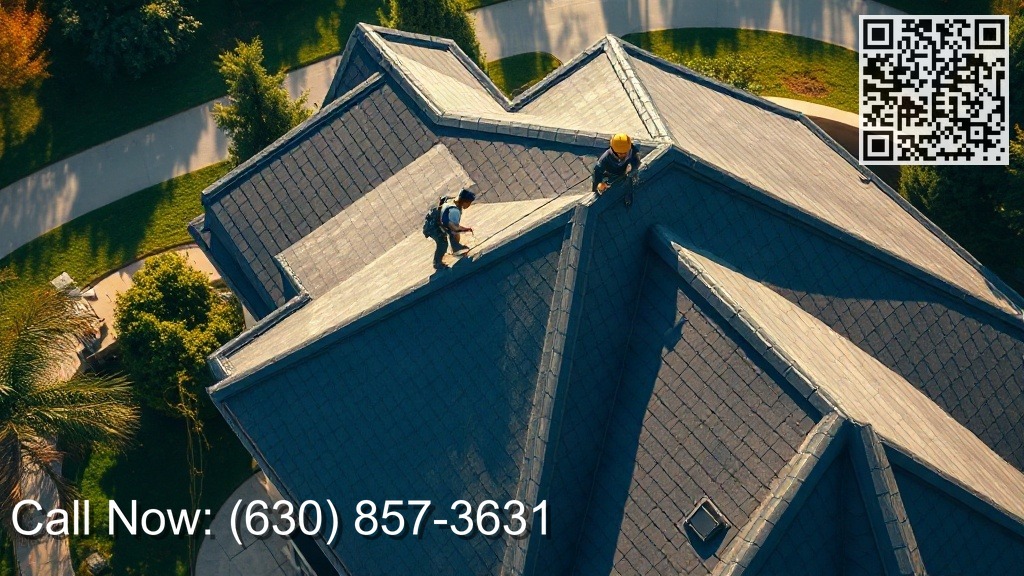
Chicago and the western suburban areas posture their very own challenges
When clients search for artificial roof Chicago or artificial roof covering Naperville IL, they are generally not trying to find a common national solution. They need to know exactly how a product acts here, under regional weather, regional code assumptions, and regional installation habits.
Chicagoland roofs take care of wide annual temperature swings, solid wind events, lake-influenced climate patterns in some areas, and freeze-thaw rep that can endure every subjected information. Snow lots vary from storm to storm, but the genuine problem is usually less about optimal weight and more about snow activity, refreezing at overhangs, and water monitoring during partial thaw periods.
A synthetic professional roofer Chicagoland homeowners can rely on should be able to talk simply regarding those problems. That means going over ice and water barrier positioning, air flow equilibrium, producer fastening requirements, and realistic assumptions for service life. It likewise suggests recognizing when artificial is a strong fit and when another system may make more sense because of roof covering geometry, area needs, or budget plan priorities.
Not every home advantages similarly from the same profile. Some artificial roof covering tiles mimic slate with a limited, crisp format. Others resemble hand-split shake with much deeper structure and a lot more noticable tailing. The best choice depends upon the design, but additionally on how the account handles drain and debris. A heavily distinctive roofing under fully grown trees may hold much more organic matter than a cleaner slate-style account. That is not necessarily a deal breaker, though it needs to be part of the conversation.
Installation quality matters more than advertising and marketing language
The phrase artificial roofing company can define organizations with really different degrees of experience. Some mount the classification regularly and recognize its nuances. Others add it to a sales brochure since clients are asking for it, while still approaching it like conventional asphalt. That void appears swiftly in trim job, layout precision, accessory compatibility, and guarantee compliance.
A skilled synthetic professional roofer will normally start by confirming the supplier's specific installment requirements rather than thinking category-wide guidelines. Direct exposure lines, starter information, ridge treatment, fastener kind, spacing, and authorized underlayments can vary. In freeze-thaw problems, those distinctions issue. A tiny deviation might not cause an immediate failure, however it can shorten the system's margin for error throughout serious winters.
Good synthetic roof covering installers likewise pay close attention to hosting and handling. Some items stay adaptable in winter, others come to be much less forgiving up until temperature levels increase. Cutting approaches might differ by period. Sealers that act one method mild spring weather might do differently during a late-fall setup window. These are ordinary area judgments, yet they are exactly the sort of judgments that separate a clean mount from a rushed one.
One of the much more enlightening join a jobsite is whether the staff deals with changes as customized job or recurring job. Valleys, wall surface tie-ins, saddle flashings behind chimneys, snow retention preparation, and discontinuation points at masonry all need thought. A roof with many intersecting planes can take in even more labor in these areas than outdoors field. When proposals come in abnormally low, this is usually where edges get cut.
Cost, life-span, and the value question
Synthetic roof is hardly ever the most affordable ahead of time cost in the domestic market. House owners comparing proposals will commonly see it over standard asphalt and below some natural slate or high-end specialized settings up, though real prices varies substantially by account, roof covering complexity, and labor market. In customized job, the form of the roofing system can influence expense as much as the material itself.
That claimed, worth needs to not be reduced to square-foot rate. Costs artificial roofing often makes good sense when owners account for expected maintenance, minimized fixing frequency, architectural cost savings due to reduced weight, and the aesthetic durability of the completed roof. A product that sets you back much more at installment but prevents reoccuring patchwork can be the a lot more economical option over time.
There is additionally the resale aspect, though it should be talked about honestly. A beautiful, well-installed roof covering can definitely support customer confidence, especially on distinctive homes, yet not every market converts premium roofing right into dollar-for-dollar price. The more reliable return is usually much easier ownership and reduced chance of sudden capital expense after tornados or extreme winters.
Where synthetic roofing lusters, and where caution is wise
Synthetic roofing does particularly well when house owners want a polished architectural look without the delicacy, weight, or upkeep demands of standard products. It is usually a strong fit for steep-slope homes, customized builds, historic-style restorations, and upscale domestic projects where look matters together with durability.
It is worthy of a more cautious review when the roof has unusual low-slope locations, persistent air flow concerns that have actually not been dealt with, or budget plan restrictions that may attract a proprietor to acquire a premium material while underfunding the installation details. A top-tier product on an endangered assembly is still a jeopardized roof.
There are additionally neighborhood and insurance policy factors to consider. Some HOAs care deeply about visual credibility. Some insurance companies concentrate on influence ratings or fire categories. A great synthetic roof covering company need to be prepared to go through both, because a practically audio item still has to please regional expectations and documentation realities.
How homeowners should assess a recommended system
The smartest conversations are specific. Rather than asking whether artificial is great, ask how this precise system will be built on this specific house. That change changes the whole process. It moves the discussion far from sales language and toward field performance.
A productive estimate evaluation must cover roof deck condition, underlayment kind, edge metals, ventilation modifications if required, blinking substitutes, valley building, snow and ice monitoring issues, and cleanup logistics. It should additionally resolve what stays, what gets changed, and what surprise problems might modify the scope once tear-off begins.
For house owners selecting among artificial roofing system installers, it assists to compare how clearly each professional clarifies these details. Unclear propositions often result in unclear results. Particular proposals typically signal experience.
Here are a couple of concerns worth asking prior to signing a contract:
- How will the system take care of ice dam danger at eaves, valleys, and roof-to-wall junctions on this house?
- Which underlayment and flashing products are being coupled with the artificial product, and why?
- Has the crew installed this particular producer's system prior to, or only comparable products?
- What roof ventilation renovations, if any, are advised in addition to the brand-new covering?
- How are complicated details like chimneys, skylights, and snow retention being addressed?
Those questions do not call for a property owner to become a roofer. They simply force clarity. A qualified synthetic professional roofer must be able to address them without hedging.
What maintenance resembles after installation
One reason residential synthetic roof covering has gotten grip is that maintenance is generally workable. That does not imply nonexistent. Also durable products need periodic assessment, specifically after hail, high wind occasions, or wintertimes with heavy ice buildup.
In practice, owners should expect routine visual checks from the ground, regular professional inspections, and prompt focus to gutters, downspouts, and particles build-up. An artificial roof covering might stand up to wetness much better than cedar, but if a valley remains loaded with leaves and ice, any type of roofing system can be stressed.
The first couple of years after setup are additionally a great time to observe your home during actual weather condition events. See exactly how snow sheds. Notification where icicles develop. Take notice of whether one roof covering airplane thaws faster than one more. Those hints often expose insulation or air flow discrepancies before they end up being leakage calls.
A reasonable care routine generally includes the following:
- Keep gutters and downspouts streaming prior to wintertime starts.
- Schedule assessments after significant hail or wind storms.
- Remove debris from valleys and behind chimneys where it collects.
- Address attic insulation and air flow concerns if unequal melting appears.
- Avoid unnecessary foot traffic, specifically from untrained solution trades.
That last point is underrated. Some roof covering damage happens not from weather condition, however from satellite, vacation lighting, or mechanical work done without appropriate care.
The case for experience over trend
Synthetic roofing systems are not a passing craze in the Midwest. The far better items have actually verified they belong in the discussion, specifically where house owners desire layout character without approving the susceptabilities of heavier or even more breakable materials. Yet success still depends upon self-control. Item quality matters. System layout issues. Installer experience matters equally as much.
For homes in Chicago and the broader rural market, that indicates selecting an artificial professional roofer that recognizes freeze-thaw behavior as an everyday fact, not a line in a sales brochure. It indicates selecting artificial roof with a record, not simply eye-catching examples. It indicates dealing with synthetic roofing substitute as a possibility to improve the whole assembly, from underlayment and flashing to ventilation and drainage.
When that happens, the outcome is not just a roof covering that looks excellent from the road. It is a roofing system that withstands January sunlight on snowpack, March refreezes, April wind-driven rain, and the constant, unglamorous stress that defines Midwest weather condition. That is the requirement that matters below. Not whether a roofing system looks excellent on installation day, yet whether it keeps doing its task after years of freeze, thaw, and repeat.
When Quality Matters
Salvo Architectural Roofing Contractors
566 West 5th Ave Naperville, IL 60563
(630) 857-3631
 Ask ChatGPT
 Ask Grok
 Ask Perplexity
 Ask Claude
 Ask Google AI
 Ask You